Soccer Balls
Discover Soccer Balls for Every Game
Soccer balls are the foundation of every training session and match, influencing touch, control, and confidence on the pitch. Designed for different ages, surfaces, and styles of play, the right ball helps players train with purpose and compete consistently. Whether you’re practicing fundamentals or preparing for match day, choosing the correct soccer ball matters. Explore options built for durability, feel, and reliable performance at every level of the game.

Buy One, Get 30% Off Another!
Buy any sale item and get 30%
another sale item! — use code at checkout! CLEAR30
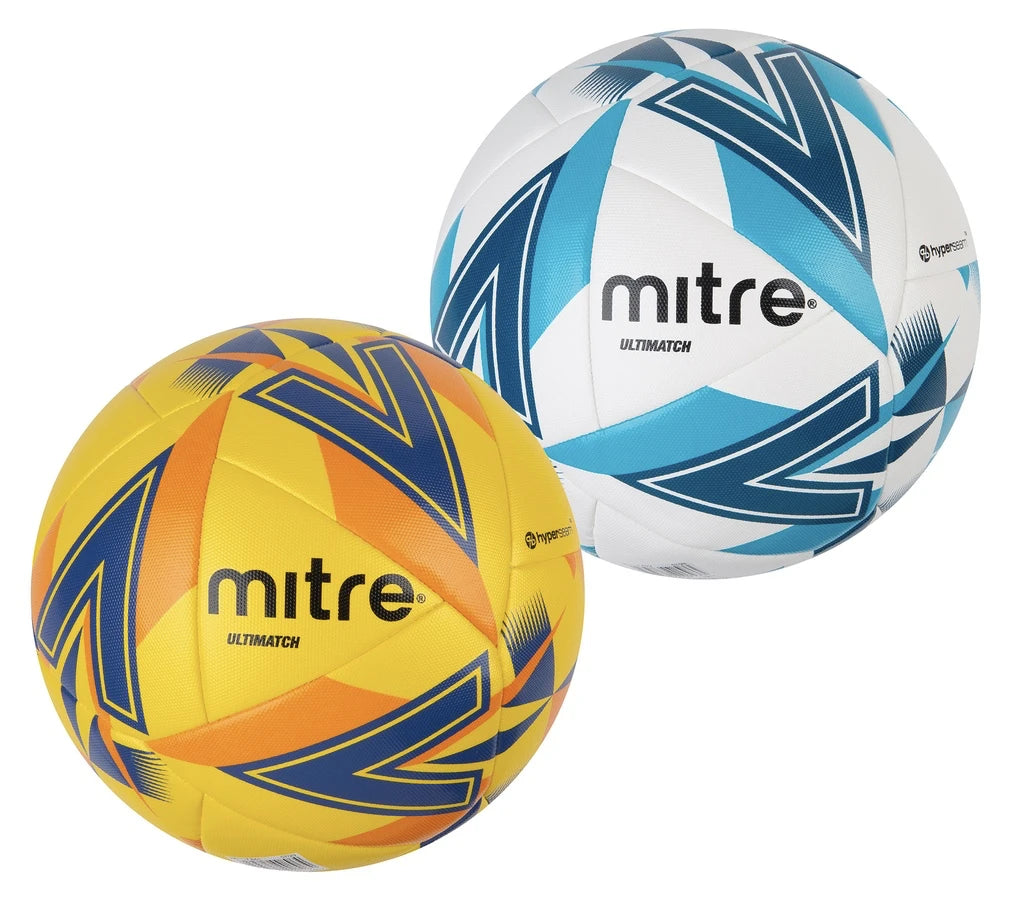
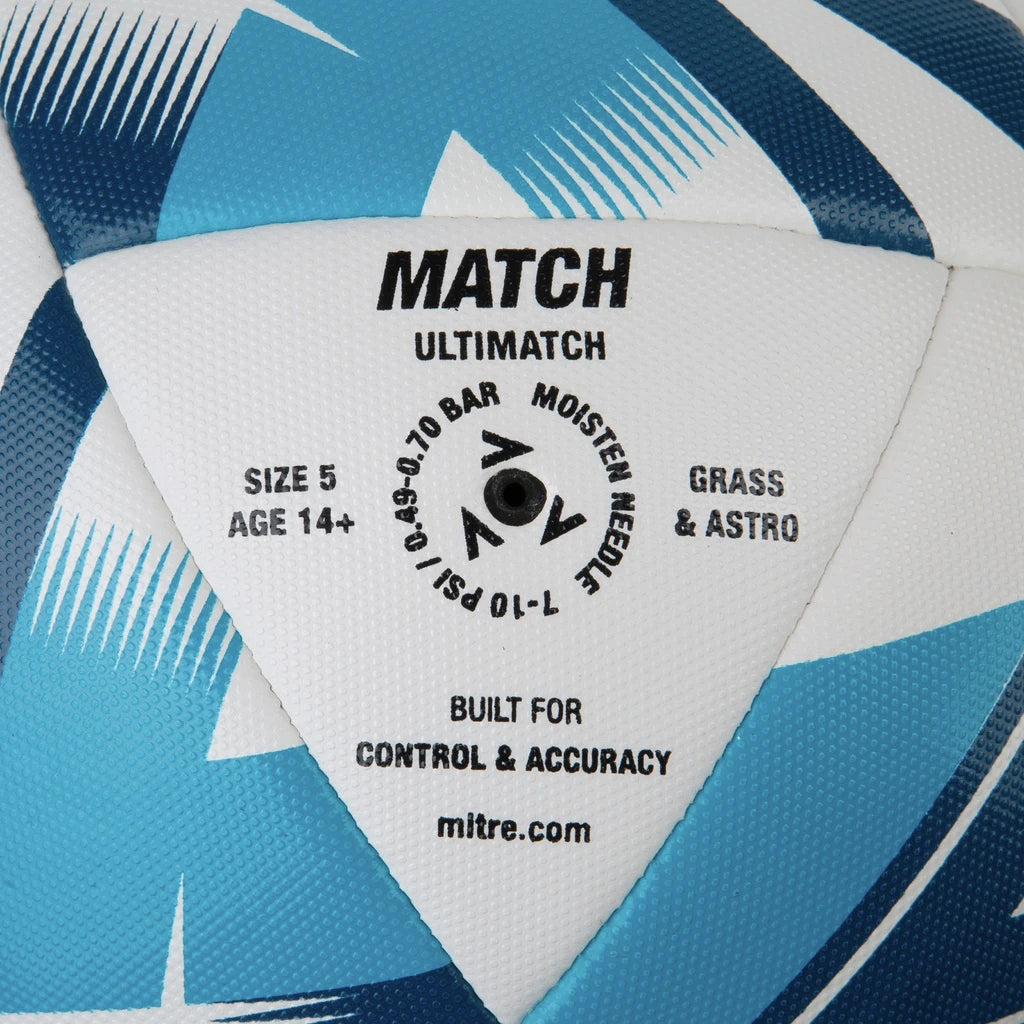
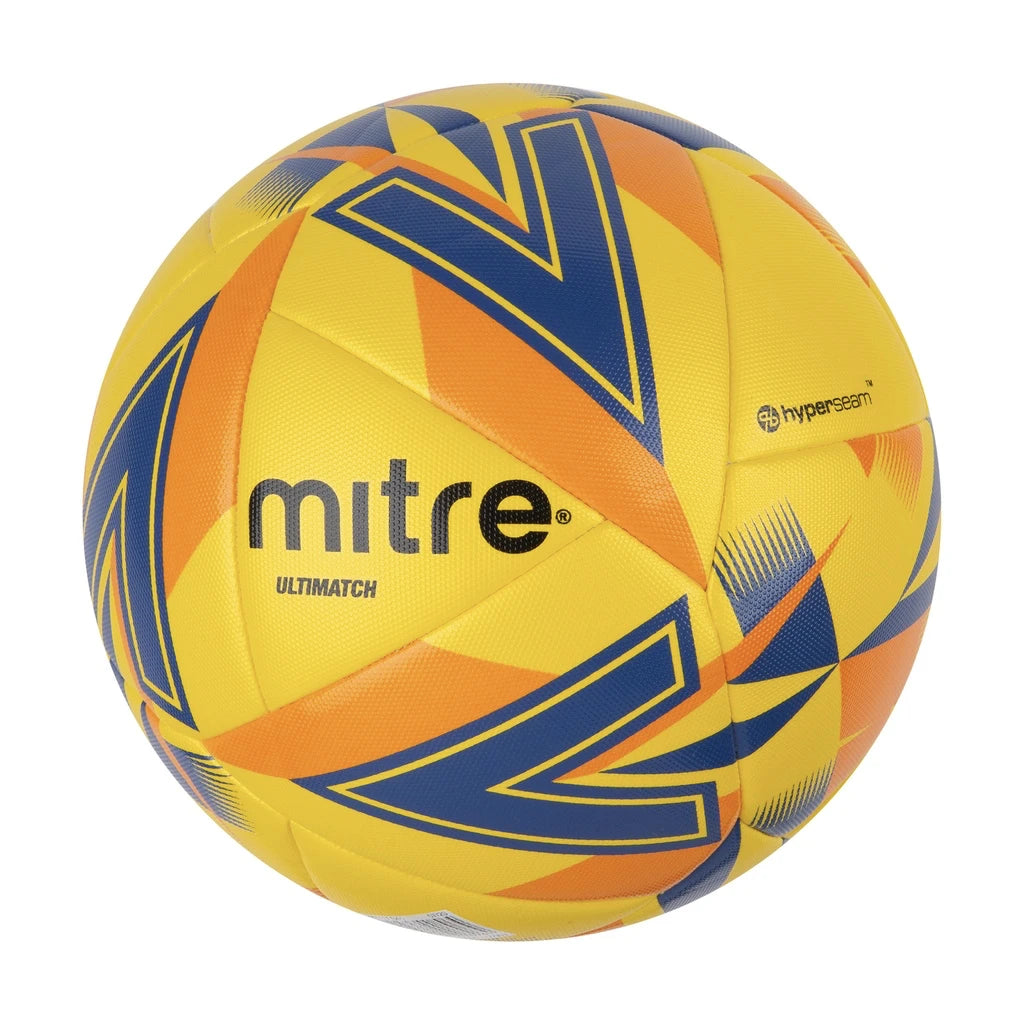
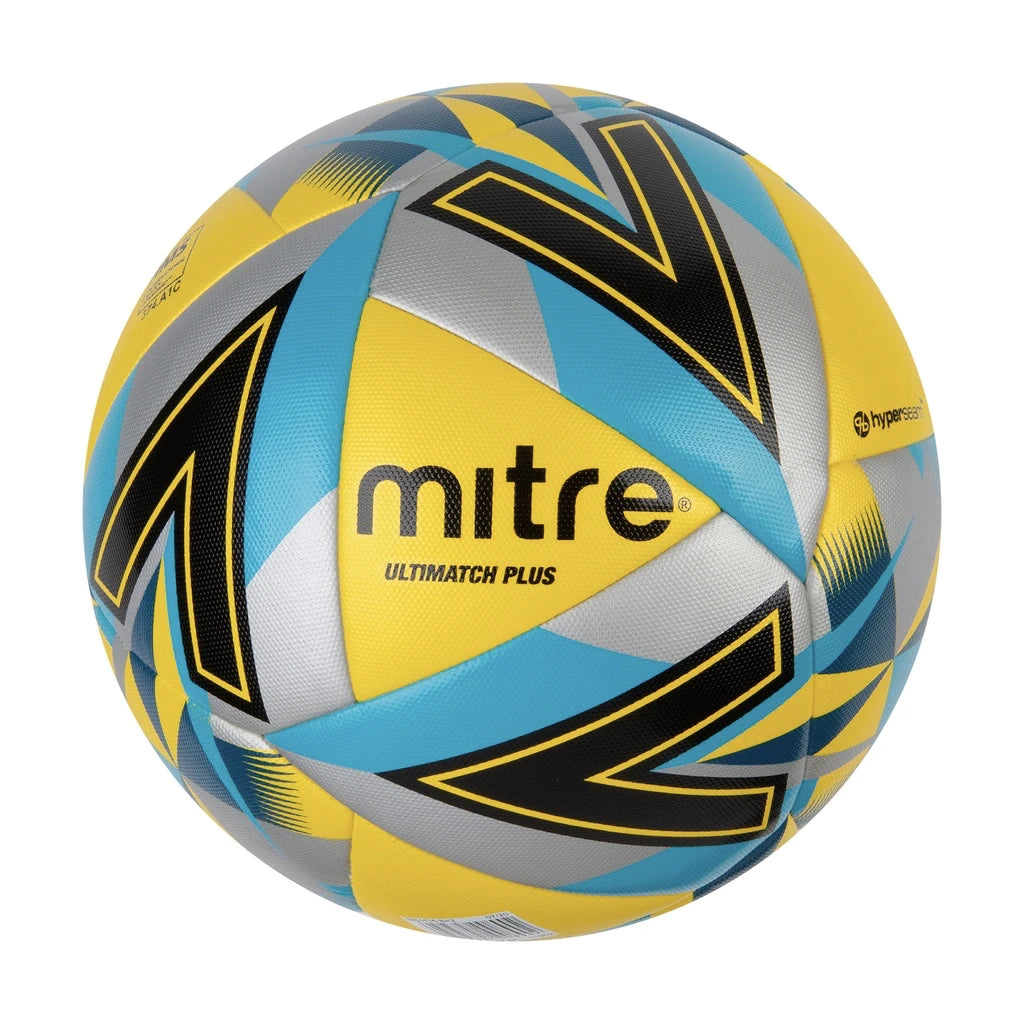
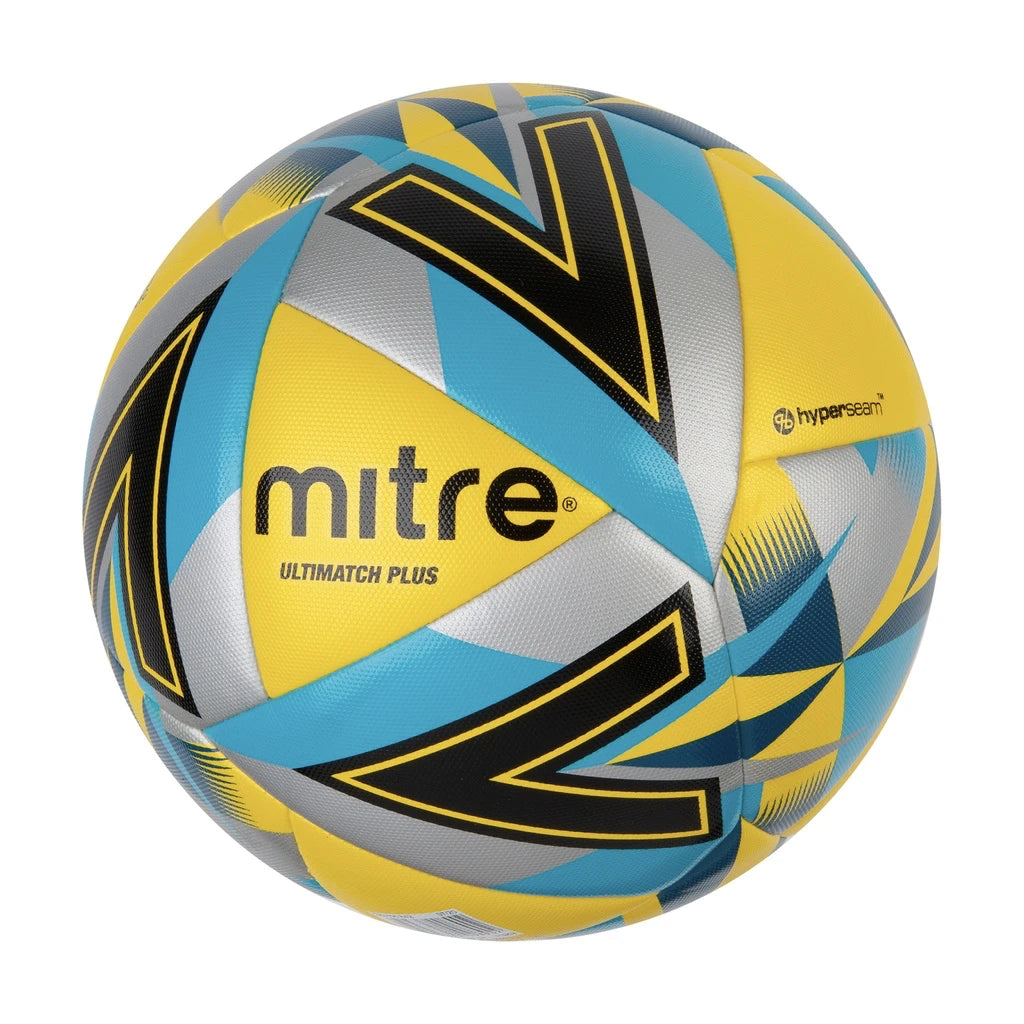
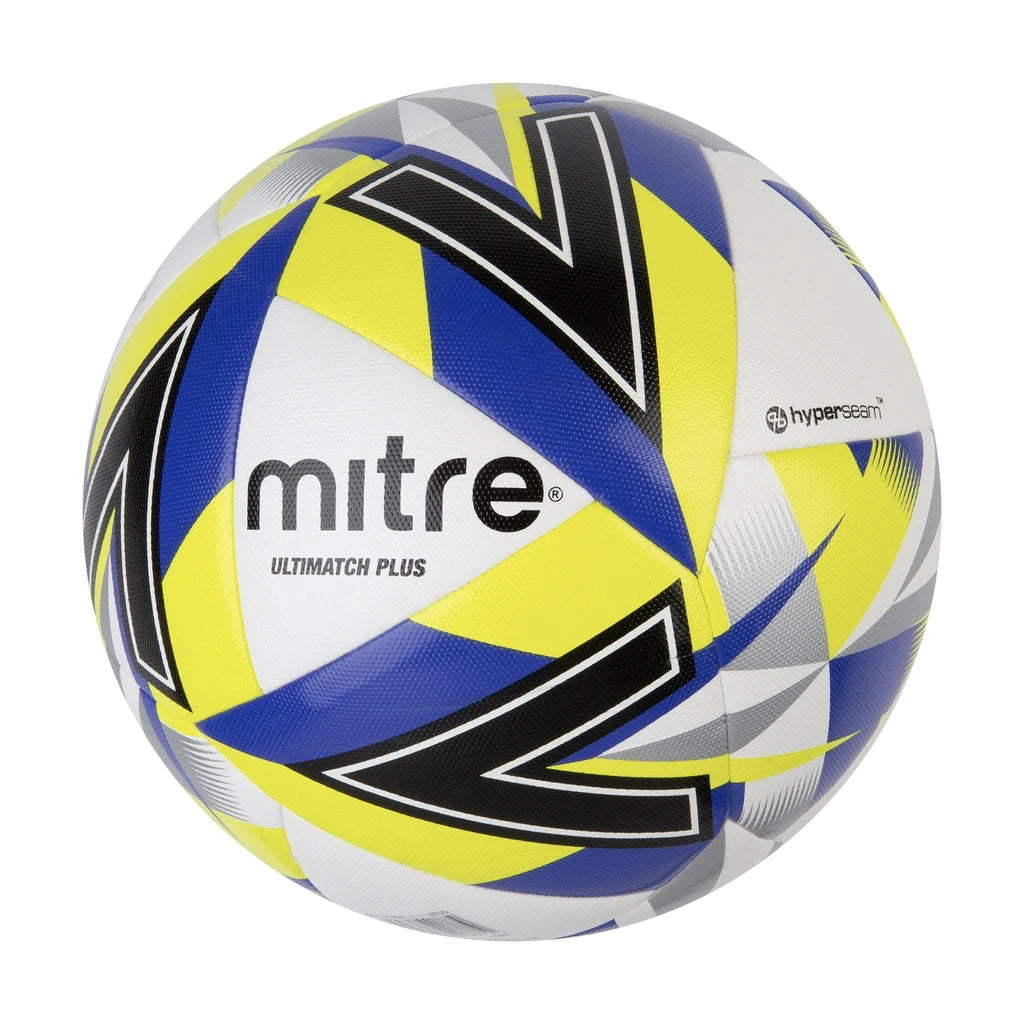
Mitre Ultimatch Match Soccer Ball
Learn More About Soccer Balls
Soccer balls are engineered to deliver consistent touch, predictable flight, and reliable control across training and match environments. 3L Sportive offers a wide selection of soccer balls designed for players of all ages and levels, from casual kickarounds to competitive play. These balls are made for use on common playing surfaces including grass, turf, and indoor courts, depending on the model. Construction, panel design, and materials all influence how the ball feels off the foot and how it responds in the air. Choosing the right soccer ball helps players develop technique, maintain rhythm, and build confidence during every session.
To complete your setup, players often pair their soccer balls with training equipment, goals, or match-day essentials to support consistent practice. Exploring options by size, surface type, or level of play can make it easier to find the right fit for your needs. Browse the collection to find a soccer ball that matches how and where you play.
FAQs
What size soccer ball should I use?
- Most adult players use a Size 5 soccer ball, which is the standard for matches. Younger players typically use Size 3 or Size 4 balls depending on age and development stage. Choosing the correct size helps improve technique and ball control.
Are match soccer balls different from training soccer balls?
- Yes, match balls are usually built for higher consistency in flight and touch, while training balls are designed for durability and repeated use. Training balls are ideal for drills and regular practice, while match balls are intended for competitive play.
Can I use the same soccer ball on all surfaces?
- Some soccer balls are designed for versatility, but frequent play on rough surfaces like concrete can increase wear. Using a ball suited for grass, turf, or indoor play helps maintain its shape and outer material longer.
How does ball construction affect performance?
- Panel count, bonding method, and outer material all influence how a ball feels and moves. These factors affect touch, responsiveness, and how predictable the ball is during passes and shots.
How much air pressure should a soccer ball have?
- Most soccer balls perform best when inflated within the manufacturer’s recommended pressure range. Proper inflation improves control, reduces uneven bounce, and helps the ball retain its shape during play.
Do soccer balls need a break-in period?
- Some balls feel more natural after a short period of play. Light use before competitive matches can help players get familiar with the ball’s touch and movement.